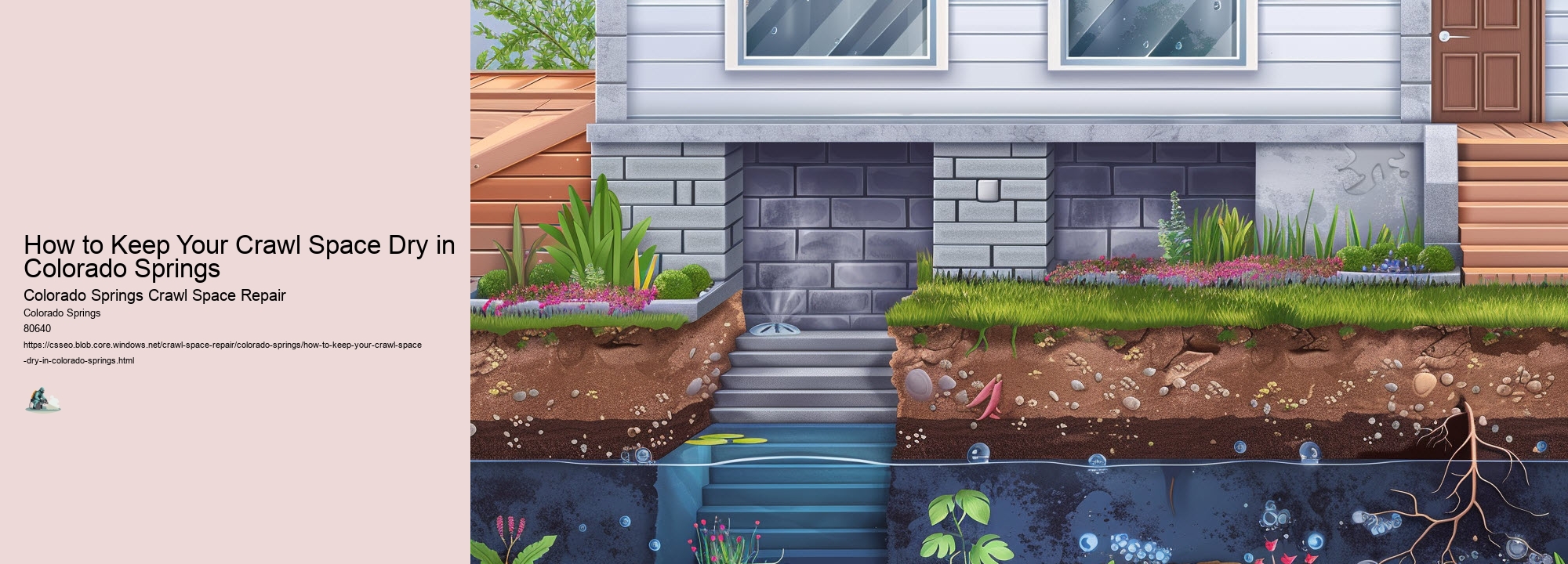
To maintain a dry crawl space in Colorado Springs, you must be diligent in addressing moisture issues effectively. With the unique climate in the area, understanding the importance of ventilation, drainage, and insulation is key to safeguarding your home's foundation. By following specific steps tailored to the semi-arid conditions, you can create a healthier environment below your home. But remember, overlooking these critical factors could lead to costly repairs and potential risks.
Understanding Colorado Springs Climate
In Colorado Springs, the semi-arid climate is characterized by low humidity levels and significant temperature variations throughout the year. The average annual humidity level in Colorado Springs is around 45%, which is relatively low compared to more humid regions. This low humidity can have implications for crawl spaces in homes, as it can lead to increased evaporation rates and potential moisture issues.
The temperature in Colorado Springs can vary greatly, with hot summers reaching average highs of around 85°F and cold winters where temperatures can drop below freezing. These temperature fluctuations can impact the crawl space environment, potentially leading to condensation issues in certain seasons.
Understanding the unique climate of Colorado Springs is essential when considering crawl space maintenance. The combination of low humidity and significant temperature variations requires specific strategies to keep crawl spaces dry and free of moisture-related problems.
Importance of Crawl Space Ventilation
To maintain a dry crawl space in Colorado Springs, proper ventilation is essential for controlling moisture levels and preventing issues like mold and mildew growth.
Adequate air circulation through ventilation also helps in reducing humidity, which can lead to structural damage and health concerns.
Implementing effective ventilation systems guarantees a healthy and dry environment in your crawl space, safeguarding your home from potential problems.
Ventilation for Moisture Control
Ensuring proper ventilation in your crawl space is essential for controlling moisture levels and preventing issues such as mold growth and wood rot. Adequate ventilation helps to reduce humidity buildup by allowing fresh air to circulate, which in turn prevents condensation and dampness within the crawl space. By promoting airflow, ventilation also aids in drying out any existing moisture, preventing it from causing damage to the structural integrity of your home.
Proper ventilation typically involves the strategic placement of vents to facilitate the exchange of air. Vents should be positioned to create a cross breeze, allowing air to flow in and out effectively. It's important to make sure that these vents are kept unobstructed to maintain optimal airflow throughout the crawl space.
Additionally, incorporating a vapor barrier on the ground can further enhance moisture control by reducing the amount of water vapor that enters the space from the soil.
In essence, ventilation plays a significant role in moisture control within your crawl space, safeguarding your home against potential issues associated with excess dampness.
Air Circulation Benefits
Promoting adequate air circulation through proper ventilation in your crawl space is crucial for maintaining ideal moisture levels and preventing potential issues like mold growth and wood rot. By allowing fresh air to enter and circulate within the crawl space, ventilation helps in reducing humidity levels that can lead to condensation and subsequent moisture-related problems.
Proper air circulation also aids in preventing stagnation, which can contribute to the proliferation of mold and mildew.
Moreover, adequate air circulation helps in equalizing temperature variations within the crawl space, creating a more stable environment. This stability can prevent issues such as warped wooden structures or flooring due to excessive moisture exposure.
Additionally, efficient air circulation can enhance the overall indoor air quality of your home by reducing the chances of allergens and pollutants accumulating in the crawl space.
To optimize air circulation benefits, make sure that your crawl space vents are unobstructed and strategically placed to facilitate the flow of air. Regularly inspecting and maintaining your ventilation system can go a long way in preserving the integrity of your crawl space and safeguarding your home against moisture-related issues.
Proper Drainage Solutions
Implementing effective drainage solutions is crucial for maintaining a dry crawl space in Colorado Springs. Proper drainage helps prevent water from accumulating and causing moisture issues that can lead to mold growth and structural damage.
To achieve ideal drainage, start by making sure that the ground around your crawl space slopes away from the foundation to direct water flow away from the area. Additionally, installing gutters and downspouts that carry rainwater at least 5-10 feet away from the foundation can further prevent water seepage into the crawl space.
Consider adding a French drain system around the perimeter of your crawl space to redirect water and alleviate hydrostatic pressure. This system typically consists of a trench filled with gravel and a perforated pipe that collects and diverts water away from the foundation.
Regularly inspect and maintain your drainage system to ensure it remains functional and free of blockages.
Installing Vapor Barrier
To keep your crawl space dry in Colorado Springs, understanding the benefits of a vapor barrier is essential. Properly installing a vapor barrier can prevent moisture from seeping into your crawl space, reducing the risk of mold and structural damage.
Paying attention to installation techniques such as sealing seams and edges is vital for maximizing the effectiveness of the vapor barrier.
Vapor Barrier Benefits
For enhanced moisture control and protection in your crawl space, consider the significant benefits of installing a vapor barrier. A vapor barrier is an essential component in maintaining a dry and healthy crawl space environment.
Here are the key advantages of incorporating a vapor barrier:
- Moisture Prevention: By effectively blocking moisture from seeping into the crawl space, a vapor barrier helps prevent issues such as mold growth, wood rot, and musty odors. This barrier acts as a shield against water vapor, keeping the area dry.
- Energy Efficiency: Installing a vapor barrier can contribute to improved energy efficiency in your home. By reducing moisture levels in the crawl space, the barrier helps your HVAC system operate more efficiently and minimizes energy loss through insulation.
- Structural Integrity: The presence of a vapor barrier helps protect the structural integrity of your home. By preventing excess moisture from accumulating under the house, it reduces the risk of damage to wooden beams, floor joists, and other structural elements.
Proper Installation Techniques
To guarantee the effectiveness of a vapor barrier in your crawl space, important installation techniques play a key role in maintaining a dry and healthy environment. When installing a vapor barrier, it's essential to start by thoroughly cleaning the crawl space area to make sure no debris or moisture is trapped beneath the barrier.
Next, carefully measure and cut the vapor barrier material to fit the space, allowing for some overlap at the seams. Secure the barrier tightly to the walls and floor using adhesive or mechanical fasteners to prevent any gaps where moisture could seep through.
Additionally, it's crucial to seal all seams and joints with a high-quality tape specifically designed for vapor barriers. This step is vital in creating a continuous barrier that effectively blocks moisture from entering the crawl space.
Maintaining Gutters and Downspouts
Check your gutters and downspouts regularly for any debris buildup or damage to guarantee proper drainage and prevent water infiltration in your crawl space. Proper maintenance of gutters and downspouts is essential in keeping your crawl space dry and free from moisture-related issues.
Here are three essential steps to make sure your gutters and downspouts are functioning at their best:
- Clear Debris: Remove leaves, twigs, and other debris from your gutters regularly to prevent clogs. Use a gutter scoop or a pressure washer to clear out any blockages that could obstruct the flow of water.
- Inspect for Damage: Check for any signs of damage such as cracks, holes, or misalignments in your gutters and downspouts. Repair or replace any damaged sections to maintain proper water flow away from your home.
- Direct Water Away: Ensure that your downspouts are directing water at least 5-10 feet away from your foundation to prevent water from seeping into your crawl space. Consider adding downspout extensions if necessary to divert water effectively.
Regular maintenance of gutters and downspouts is key to preserving the integrity of your crawl space and preventing costly water damage.
Insulating Crawl Space Walls
How can you effectively insulate your crawl space walls to improve energy efficiency and prevent moisture issues?
Insulating crawl space walls is essential for maintaining a dry and energy-efficient home. Start by sealing any gaps or cracks in the walls to prevent air leakage. Use rigid foam insulation boards or spray foam insulation to cover the walls completely. These materials provide a barrier against moisture and help regulate the temperature in the crawl space.
When insulating the walls, make sure to insulate the rim joists as well. This area is prone to air leakage and can contribute to energy loss if not properly insulated. Install insulation batts or foam boards in between the joists to create a continuous thermal barrier.
Additionally, consider installing a vapor barrier on the interior side of the insulated walls to prevent moisture from seeping through. This barrier helps keep the crawl space dry and protects the insulation from moisture damage.
Proper insulation of crawl space walls is essential for a well-protected and energy-efficient home.
Checking for Plumbing Leaks
Inspect your crawl space thoroughly for any signs of plumbing leaks, such as damp spots, water stains, or mold growth. Identifying these issues early can prevent further damage and keep your crawl space dry.
Here's how to check for plumbing leaks effectively:
- Visual Inspection: Look for any visible signs of water leaks, such as pooling water, dampness on walls or insulation, or water stains on surfaces. Pay close attention to pipe joints and connections as these are common areas for leaks to occur.
- Listen for Unusual Sounds: If you hear the sound of dripping water or running water when no faucets are turned on, it could indicate a hidden plumbing leak. Use a plumber's stethoscope or simply put your ear close to pipes to listen for any unusual sounds.
- Check Water Meter: Turn off all water sources in your home and monitor your water meter. If the meter continues to run, it might suggest a leak in your plumbing system that requires further investigation.
Regularly checking for plumbing leaks in your crawl space can help maintain a dry and healthy environment in your home.
Professional Crawl Space Inspection
For a complete evaluation of your crawl space, consider hiring a professional for a detailed inspection. A professional crawl space inspection involves a thorough assessment of various elements that can impact the moisture levels and overall condition of the space.
During the inspection, the professional will check for signs of water intrusion, such as damp insulation, standing water, or mold growth. They'll also examine the crawl space ventilation to guarantee proper airflow and assess the condition of the vapor barrier if present.
Additionally, professionals will inspect the crawl space foundation for any cracks or structural issues that could contribute to moisture problems. They'll check for plumbing leaks, damaged insulation, and pest infestations that may affect the crawl space environment.
Frequently Asked Questions
How Can I Prevent Pests From Entering My Crawl Space?
To prevent pests from entering your crawl space, you can take several steps. First, seal any cracks or openings with durable materials like wire mesh or caulk. Verify that all vents have proper screens to prevent pests from gaining entry. It is also important to keep the area free of debris and maintain a tidy environment. Regularly inspect the crawl space for signs of infestation, such as droppings or chew marks, and address any issues promptly. By implementing these measures, you can help deter pests from accessing your crawl space and potentially causing damage.
Should I Consider Installing a Dehumidifier in My Crawl Space?
Consider installing a dehumidifier in your crawl space if moisture levels are consistently high. A dehumidifier can help prevent mold growth, wood rot, and pest issues by reducing humidity.
Make sure the dehumidifier is appropriately sized for your crawl space and has a drainage system in place. Regular maintenance, such as emptying the water collection tray, is crucial for peak performance.
Consult with a professional for guidance on the best dehumidifier for your space.
Are There Any Rebates or Incentives for Crawl Space Improvements?
It's crucial to consult with local utility companies or government entities to inquire about rebates or incentives for crawl space improvements. These programs can provide financial assistance for projects that enhance energy efficiency or address moisture issues.
Often, there are specific criteria that must be met to qualify for these incentives, so it's important to research and understand the available options in your area before undertaking any crawl space improvements.
Can I Use a DIY Approach to Address Crawl Space Issues?
Yes, you can attempt a DIY approach for crawl space issues. However, it's essential to assess the extent of the problem accurately before starting. Research proper techniques and make sure you have the necessary tools and materials.
Addressing moisture issues, insulation gaps, and ventilation problems effectively is vital. Be diligent in your work and consider consulting professionals if needed to guarantee a successful outcome and prevent future complications.
What Are the Signs of Mold Growth in a Crawl Space?
To identify mold growth in a crawl space, watch for musty odors, visible mold patches on surfaces, and increased humidity levels. Mold typically thrives in damp, dark environments, so be vigilant in checking for any water leaks or moisture issues.
Inspect for discoloration on walls or floors, as well as any peeling paint or wallpaper. If you notice these signs, it's important to address the mold problem promptly to prevent further damage.
Conclusion
To sum up, maintaining a dry crawl space in Colorado Springs requires a combination of proper ventilation, moisture control, and effective drainage solutions.
By ensuring adequate airflow, installing a vapor barrier, maintaining gutters, insulating walls, and checking for plumbing leaks, you can prevent moisture buildup, mold growth, and structural damage.
Regular inspections and maintenance will help create a healthy and dry crawl space environment in the semi-arid climate of Colorado Springs.
The Ultimate Guide to Crawl Space Repair in Colorado Springs
Crawl Space Encapsulation: Is It Right for Your Colorado Springs Home?